Q: What can the district do to help address operating budget deficits?
The majority of our operating revenue comes from the state. Local voter-approved operating levies are the second-largest source, followed by federal funding, grants, and other smaller revenue sources.
There is no single solution, so the district must work on multiple fronts.
First, we need to continue advocating for a school funding system that better reflects the actual cost of educating students. New state mandates should be fully funded, and districts need resources that keep pace with inflation and the growing academic, behavioral, and mental health needs of students. Through my work with the Association of Metropolitan School Districts (AMSD), I have advocated for these priorities on behalf of Stillwater Area Public Schools and districts across Minnesota. If reelected, I look forward to continuing that work as AMSD Chair.
Second, we must continue to manage the district's resources responsibly. That means carefully reviewing budgets, seeking efficiencies, prioritizing spending that most directly supports student learning, and making difficult reductions when necessary. Over the past three years, the district has reduced its operating budget by more than $12 million. I hear regularly from families who have felt the impact of those cuts. It’s heartbreaking not to have the means to do more. We have worked to keep reductions as far from classrooms as possible, but the cumulative effect is real and growing.
Third, we have an opportunity to strengthen enrollment and improve student retention. Every student who chooses Stillwater Area Public Schools brings both opportunities for learning and the state funding that supports our programs. While enrollment growth alone will not solve our financial challenges, attracting and retaining students is an important part of building the district's long-term financial stability.
Based on the financial projections that have been shared publicly, I believe it’s time to begin a serious community conversation about an operating levy. Continued reductions at the current pace will further limit the educational opportunities and supports we can provide students.
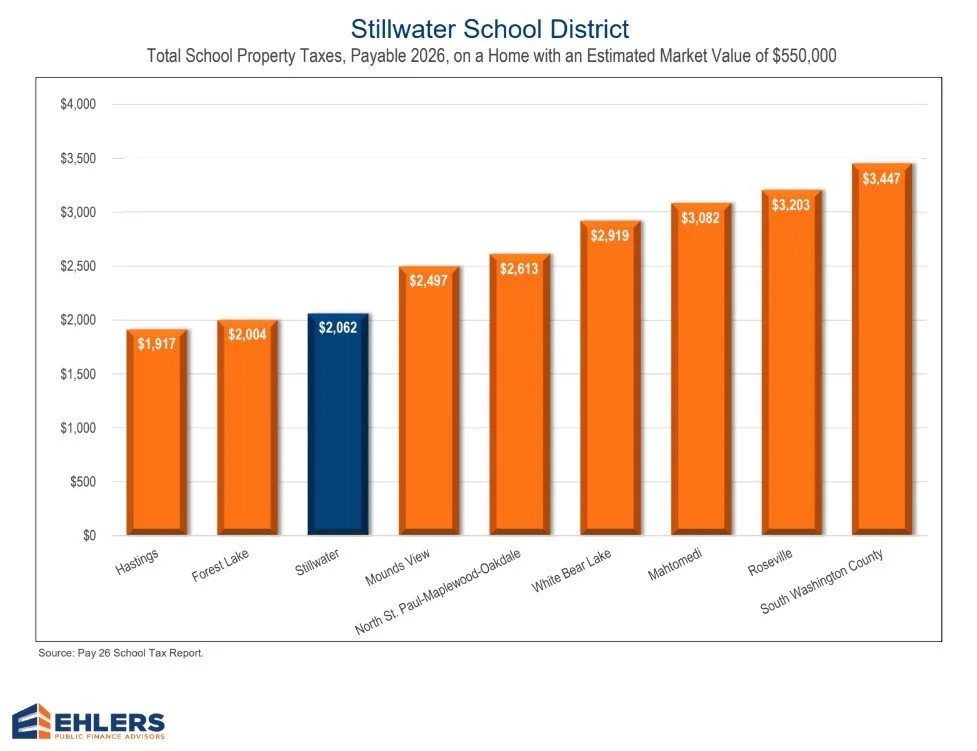
I do not take the prospect of asking voters for additional funding lightly. The majority of households in our community do not currently have children in our schools, and every resident carries a tax burden. Before supporting any operating levy, I believe we must listen carefully to the full community, examine our local tax burden relative to neighboring districts, and clearly explain the trade-offs for families, taxpayers, and students. If the data continues to show that additional reductions would significantly diminish the educational experience we provide, then the responsible step is to have an honest conversation with voters and let them decide whether additional local investment is warranted.